
Innovation in Advancing Palliative Care Worldwide
Around the world, millions of people lack access to quality palliative care – care that relieves suffering and improves quality of life for people with serious illness. Addressing this gap is more important than ever. It demands collaboration across countries, disciplines and organizations.
Collaborating for Global Impact is an initiative led by Global Partners in Care (GPIC) that brings people together to move from conversation to coordinated action – connecting global insight with local impact, including in the United States.
Why This Initiative Matters
Global palliative care faces shared challenges: limited resources, workforce shortages, low awareness and fragmented efforts. While many organizations are working toward similar goals, they are often doing so independently.
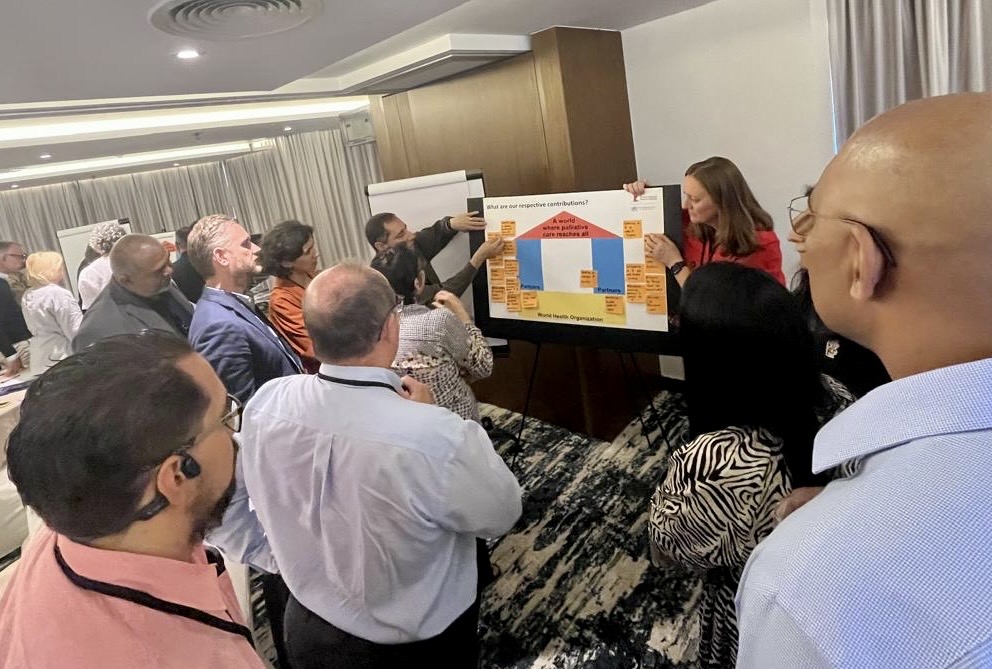 This initiative was designed to change that dynamic by creating structured, inclusive spaces where leaders can:
- Build meaningful relationships across regions
- Share knowledge and experiences
- Co-create practical solutions to common challenges
At its core, the initiative recognizes that lasting impact comes from complementing one another – not just working more. We can do more together.
A Different Model of Collaboration
Rather than focusing only on meetings or high-level discussions, Collaborating for Global Impact emphasizes action-oriented collaboration. The approach is grounded in three key ideas:
- Intentional convening
Bringing together diverse leaders – from frontline providers to national associations to global organizations – in thoughtfully designed spaces that foster trust and shared understanding.
- Co-creation across contexts
Participants work together to design solutions, ensuring that ideas are shaped by a wide range of lived experiences and regional perspectives.
- Iterative action and learning
Instead of launching large-scale programs immediately, ideas are tested on a small scale, refined through feedback and adapted over time to have the greatest impact.
This approach is rooted in human-centered design, a methodology that prioritizes the needs and realities of the people most affected.
Building Momentum Through Global Convenings
A defining feature of the initiative has been a series of in-person convenings that brought this collaborative model to life.
The first major gathering in Dublin, Ireland (2025) convened global leaders to establish a shared vision, strengthen relationships, and co-create initial project ideas. Participants left not only with project concepts, but with a sense of collective ownership and momentum.
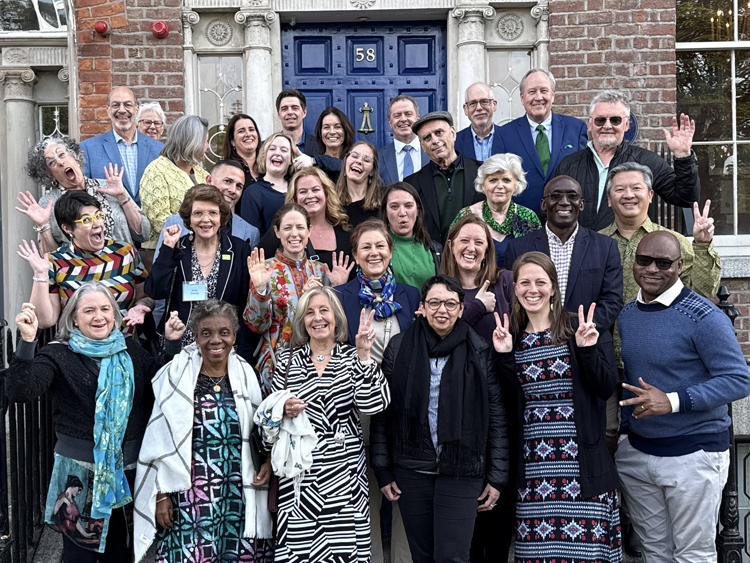
Collaborators at the Dublin, Ireland meeting
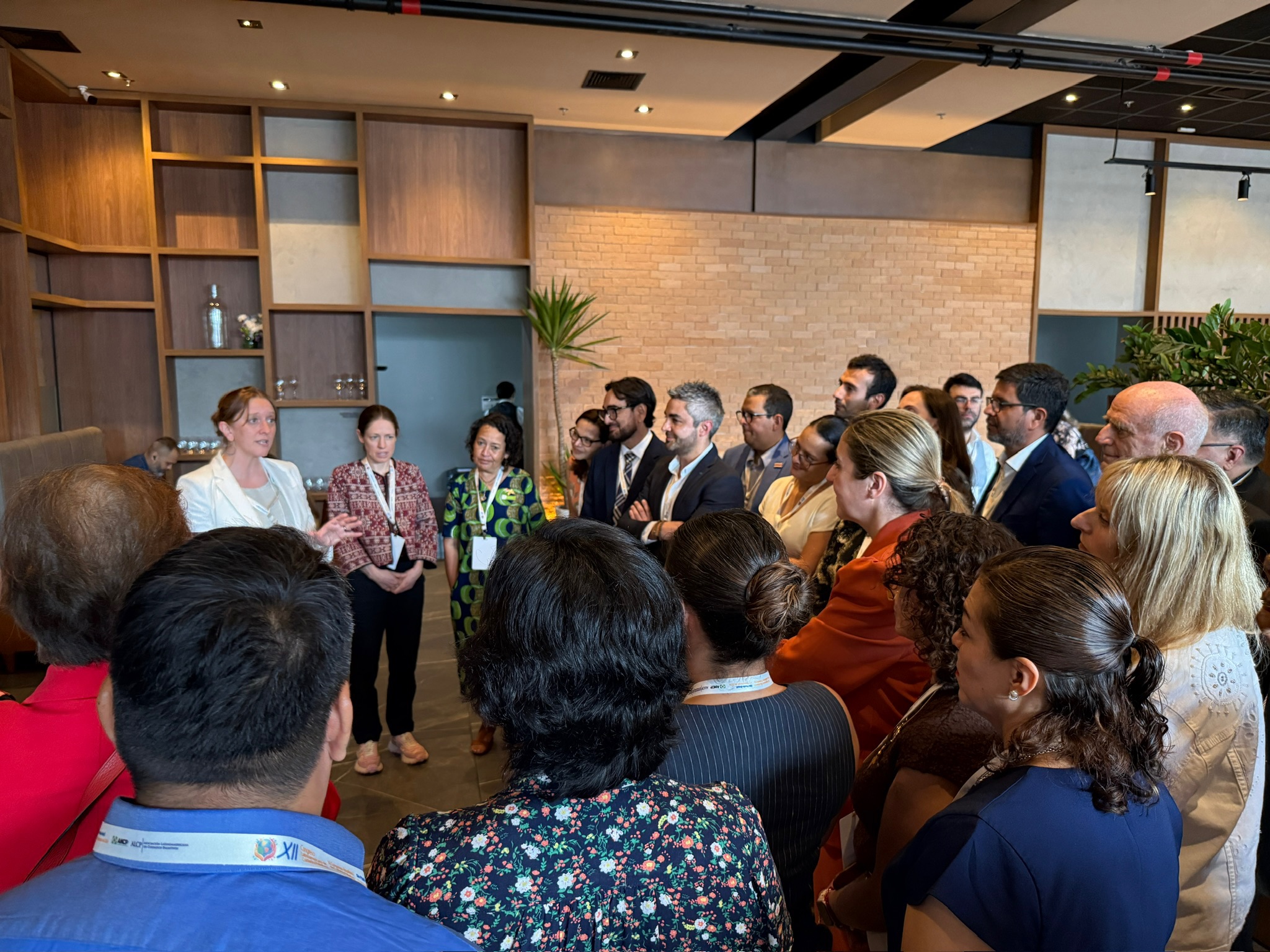
Gathering of national association leaders at Gaborone, Botswana meeting
This work continued at the African Palliative Care Association Conference in Gaborone, Botswana (2025), where ideas were further tested and refined with strong regional leadership and participation. This convening deepened engagement across African partners and ensured that emerging solutions reflected diverse realities and priorities.
Beyond these anchor events, the initiative has extended into regional conferences and ongoing working groups, where participants continue to collaborate, test ideas and share learning. These touchpoints have been critical in sustaining momentum and turning initial connections into ongoing partnerships.
Together, these convenings have demonstrated that face-to-face engagement – when thoughtfully designed – can accelerate trust, learning and action in ways that virtual interaction alone cannot.
Connecting Global Work to the United States
While global in scope, the initiative has intentionally included the United States as both a contributor to and beneficiary of this work.
U.S.-based leaders and organizations have been actively engaged throughout the initiative – participating in convenings, contributing to projects and learning alongside global peers. This has created opportunities for bidirectional exchange, where insights from global contexts inform U.S. practice and vice versa.
For example:
- U.S. partners have participated in international convenings and regional conferences, gaining exposure to innovative, resourceful models of care
- GPIC has supported U.S. leaders in engaging with global networks to bring back insights relevant to diverse populations, including underserved communities
- Upcoming engagements, such as the NPHI Summit, are designed to bring global perspectives directly into U.S. conversations on hospice and palliative care
This approach reflects a core belief of the initiative: some of the most impactful innovations come from low-resource settings – and have powerful relevance in high-resource contexts like the U.S.
Progress to Date
Through this initiative, GPIC has engaged a growing global network of palliative care leaders and organizations.
- Over 100 leaders from 18 countries and nearly 80 organizations have participated in major convenings
- Collaboration has expanded across Africa, Latin America, Europe, Asia-Pacific and the United States
- GPIC has strengthened its role as a global convener, including contributing to World Health Organization (WHO) efforts in palliative care
Perhaps most importantly, these connections have continued beyond meetings – evolving into ongoing collaboration, shared learning and joint problem-solving.
From Ideas to Action: Catalyst Projects
A central part of the initiative is the development of Catalyst Projects – collaboratively designed efforts that address key gaps in global palliative care.
Four projects have emerged so far:
- Improving communication: A global initiative to strengthen how palliative care is understood and discussed, including innovative approaches like community-based storytelling and theater
- Supporting research: Exploration of a fund to support early-career researchers in palliative care
- Strengthening national leadership: Efforts to support national palliative care associations as drivers of change within countries
- Expanding knowledge sharing: Development of a global platform to connect people with resources, tools and networks
Each project is being tested, refined and aligned with existing efforts to ensure it adds value without duplicating work.
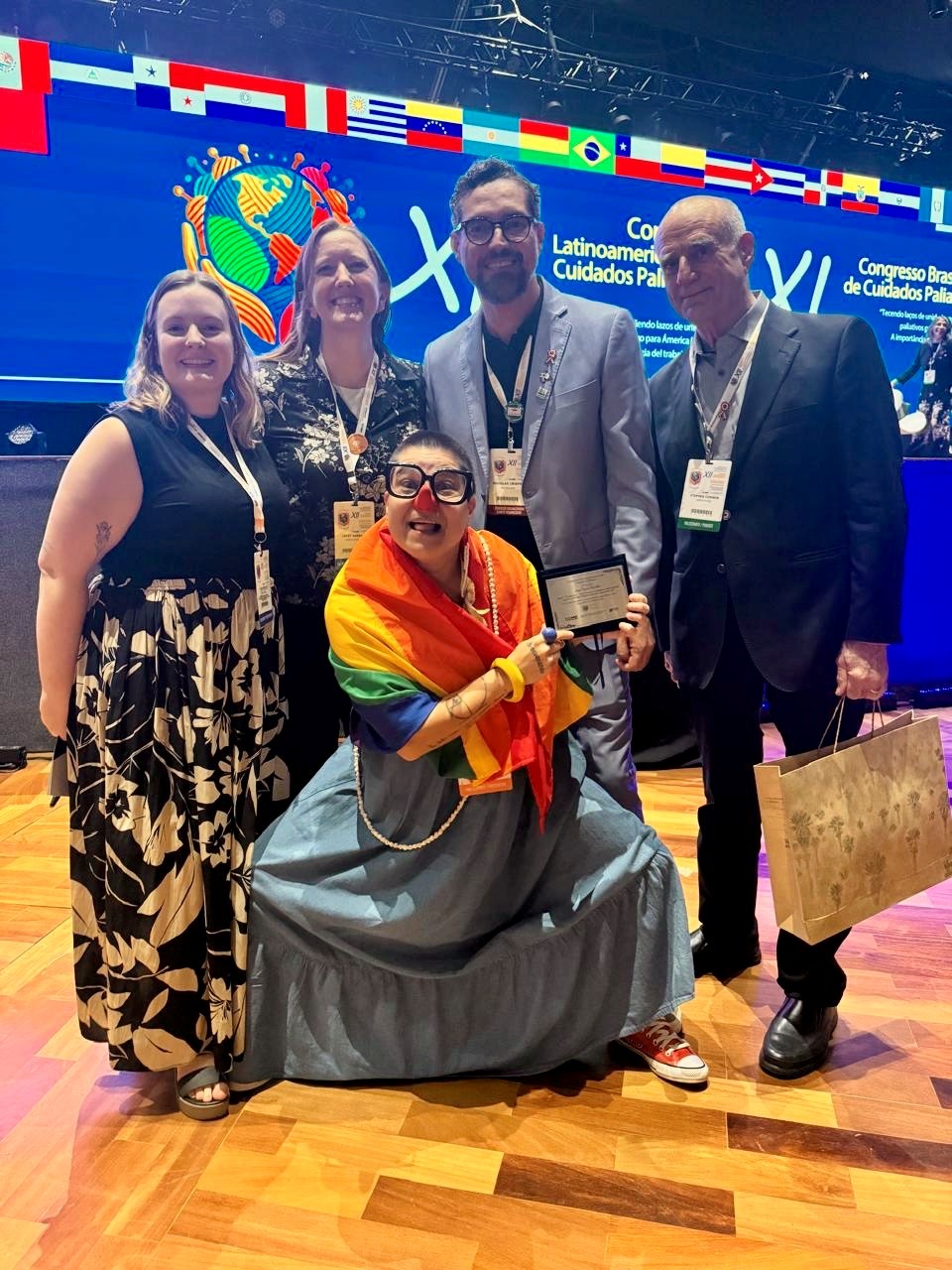
GPIC team with winner of the ALCP Palliative Care Communication Campaign contest
What We’re Learning
As the initiative has progressed, several key insights have emerged:
- Relationships are foundational. Trust and connection are essential for meaningful collaboration.
- Structure enables innovation. Well-designed processes help turn ideas into action.
- Small-scale testing leads to smarter solutions. Iteration allows for learning before investing in large-scale implementation.
- Global learning is bidirectional. Innovation flows in all directions – many of the most creative solutions come from low-resource settings and have relevance worldwide.
Looking Ahead
Collaborating for Global Impact is not a one-time project – it is an evolving way of working.
The initiative has sparked a more connected and aligned global movement in palliative care. Collaboration is continuing through ongoing partnerships, action groups, and shared initiatives.
Our next convening is with U.S. leaders at the 2026 National Partnership for Healthcare and Hospice Innovation Summit. We will hold a pre-Summit workshop, and breakout session during the summit. For participants, this work offers an opportunity to:
- Engage with a global community of peers
- Contribute to emerging ideas and projects
- Explore how global learning can inform local practice
Ultimately, the initiative is about building a future where no one faces serious illness without access to compassionate, high-quality care – no matter where they live.