Learning the Story of Care through People

Home / Featured Stories / Learning the Story of Care through People

Learning the Story of Care through People

A Reflection from Audrey Adon-Rosario

This summer, I interned with the Evangelical Lutheran Church of Tanzania (ELCT) and Global Partners in Care (GPIC) to learn more about palliative care in different setting. Pursuing a degree in biology with a concentration in biomedical sciences and a minor in public health at the City University of New York, I was eager to see how professionals provided and facilitated healthcare that supports the whole patient.

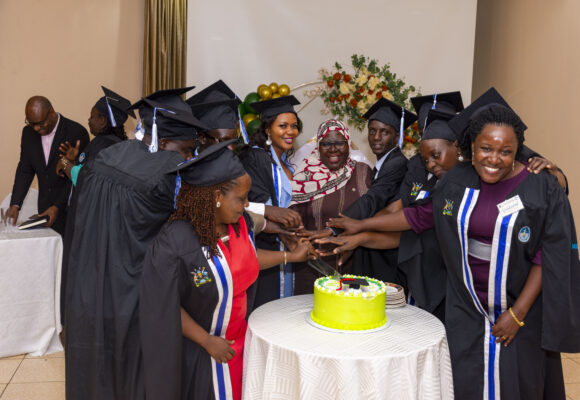
As soon as I joined the ELCT team in Arusha, I helped the team prepare for their 63rd anniversary dinner gala. I specifically helped with a presentation for the event which helped learn a lot about the organization quickly. Having a key role in an event of this size early in the internship was energizing, and it gave me a broad understanding of how crucial ongoing partnership and engagement is to the work of ELCT.

After the dinner gala, I began visiting partner health facilities, often with the Selian Lutheran Hospital Palliative Care Team as they provided home-based services across the region. Observing these visits was one of the highlights of my summer—I was able to witness firsthand the impact of individualized care. We would spend hours with each patient and their loved ones talking, singing, praying, and even sometimes eating with them. I would see patients’ eyes light up from having their experiences acknowledged and catered to by the team, which was quite inspiring. Witnessing these moments and working with the team instilled in me the importance of holistic care, especially for patients facing severe medical challenges. In the future, I aspire to deliver a similar quality of care that accounts for patient needs while leveraging connections and resources.

One of my projects was to document the 20+ years of joint effort of GPIC and ELCT to expand palliative care access in Tanzania. Between visits to health facilities, I conducted interviews to further research the history of this partnership. I met health professionals at various stages of their career and learned about the foundations of palliative care. The opportunity to sit down with key personnel such as nurses, doctors, priests, and hospital directors gave me an in-depth understanding of palliative care. I was exposed to different perspectives of the field, ranging from people who oversaw the pilot programs to those who recently entered out of a desire to expand its reach. They would tell stories about patient successes and moments that encouraged them to continue despite the challenges they faced. Listening to all the words of hope and love the professionals had for their patients and programs reinforced my desire to do the same for patients one day.

I also had a chance to do some health education sessions with students in the community, and I watched their eagerness to learn and sense of empowerment grow. They would often share that they wanted to be doctors and nurses themselves to help their own communities in the future, often with the same infectious excitement as the people I met throughout the summer.

As I put the finishing touches on my journal, I thought about these future leaders of healthcare. They reminded me of the substantial growth in healthcare access—especially in palliative care— and affirmed for me that the future of such care is bright.

Reflecting on the experiences I had this summer, I feel an immense sense of joy. From the conversations with people across various countries and fields to the days full of research and material development, each moment galvanized my interest in advocating for and administering holistic healthcare. I am deeply grateful for the Jeannette K. Watson Fellowship, GPIC, ELCT, and everyone I met through them for an unforgettable summer.